Why Auvra exists
Auvra provides independent security advisory and governance services designed to help organizations reduce risk, improve operational clarity, and maintain long-term control over their security systems.Unlike traditional vendors, Auvra does not sell hardware or installation services. This ensures every recommendation is aligned with your organization’s needs.
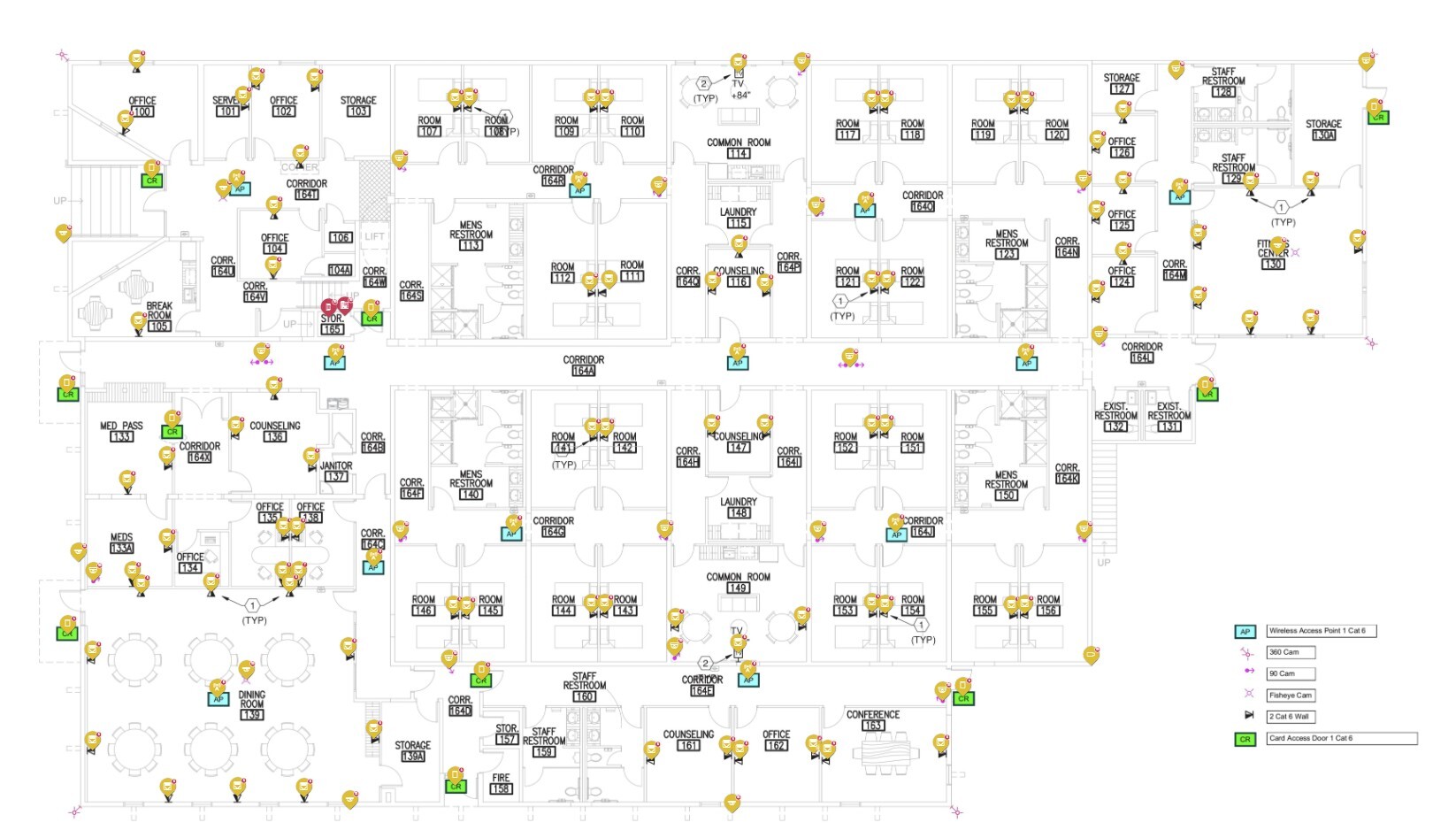
Philosophy
Many organizations purchase cameras, access control, or detection systems before clearly defining risk priorities, operational constraints, or long-term governance plans. This often results in inconsistent deployments, overlapping systems, and unnecessary capital expense.
At Auvra, we begin with security risk assessment, operational analysis, and long-term planning. We define outcomes first — coverage goals, response expectations, compliance requirements, and administrative ownership — before any product decisions are made.
Strategy Before Hardware
Security technology should follow strategy—not the other way around.
We define outcomes first:
- Coverage goals
- Response expectations
- Compliance requirements
- Administrative ownership
This ensures systems are aligned before any product decisions are made.
Governance Before Expansion
Security programs fail due to lack of structure—not lack of hardware.
We establish:
- Role-based access control
- Incident documentation standards
- Retention policy alignment
- Clear administrative ownership
Operations Over Installation
Security systems are not one-time projects—they are ongoing operational tools.
We define:
- Who owns the system
- How incidents are handled
- How access is managed
- How reporting reaches leadership
How We Work
-
Phase 1 — Assess & Define
Security Risk Assessment & Discovery
Identify risks, gaps, and priorities before any decisions are made.
-
Phase 2 — Plan & Structure
Plan & Structure
Develop vendor-neutral scope, roadmap, and procurement-ready documentation.
-
Phase 3 — Oversee & Protect
Oversee & Protect
Ensure implementation aligns with defined scope and reduces risk.
-
Phase 4 — Govern & Sustain
Ongoing Platform Administration & Governance Support
Provide ongoing management, reporting, and system oversight.
-
For SLED
For Public Sector (SLED)
Auvra provides independent, vendor-neutral advisory services aligned with public sector procurement requirements.
We do not sell equipment or installation services, ensuring all recommendations remain focused on your organization’s best interests and compliance obligations.
In addition to planning and advisory, Auvra can serve as an Owner’s Representative during implementation—helping protect scope integrity, validate vendor performance, and reduce project risk.
This includes:
- Scope and specification alignment
- Change order review and validation
- Vendor coordination and accountability
- Milestone verification and progress tracking
- Executive-level reporting
Our role remains independent of vendor award decisions and is structured to support transparency, defensibility, and long-term operational success.

Founder
Thomas Key is the Founder and Principal Consultant of Auvra Security Advisory, an independent firm focused on security strategy, governance, and long-term operational oversight.
He founded Auvra to provide organizations with a vendor-neutral approach to security—separate from hardware sales and installation—ensuring every recommendation is aligned with risk, operations, and long-term sustainability rather than product incentives.
Thomas has extensive experience supporting municipalities, school districts, healthcare systems, and enterprise organizations. He specializes in aligning executive-level priorities with real-world implementation, helping organizations move from fragmented systems to structured, defensible security programs.
Throughout his career, Thomas has led multi-vendor security initiatives, supported large-scale modernization efforts, and worked within both public sector procurement environments and complex private-sector infrastructures. His expertise spans access control, video surveillance, and integrated security platforms.
With a background in sales leadership, implementation oversight, and platform administration, Thomas brings a practical, end-to-end perspective—bridging strategy, execution, and ongoing governance.
His approach ensures organizations not only implement the right systems, but maintain control, accountability, and effectiveness long after deployment.
Sectors Served
Start with Strategy
Schedule a consultation to discuss security assessment or governance support.